


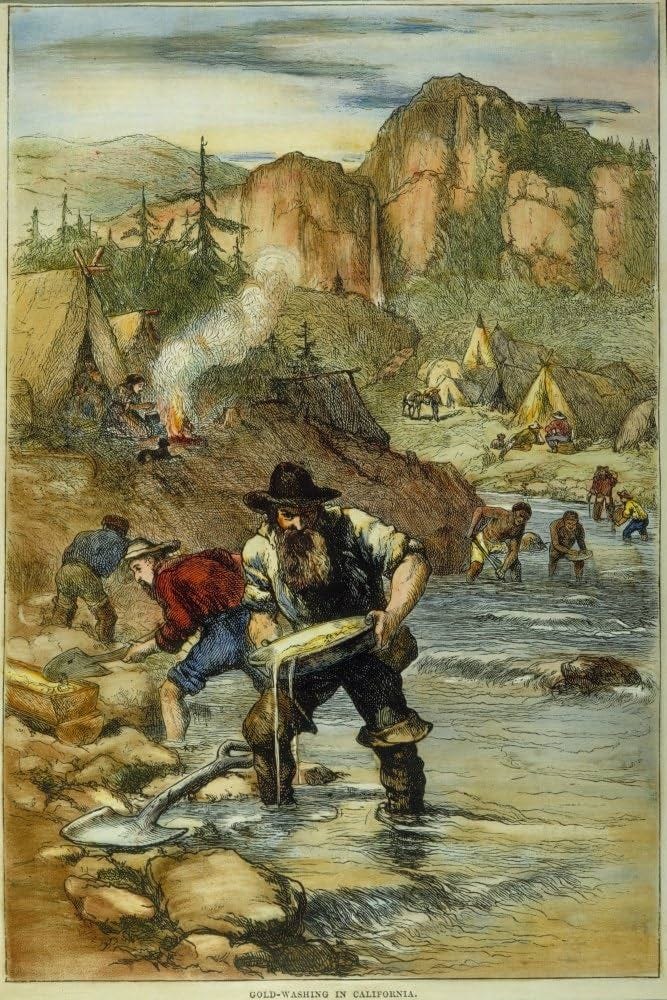
Before we get into why most ads fail, a disclaimer…
It is possible for a single ad to immediately launch a business into the stratosphere.
The most famous example is Dollar Shave Club.
Dollar Shave Club’s iconic video ad cost just $4,500 to make. The company would later be acquired for $1B.
When razor prices were sky high, Dollar Shave Club did not try to outspend the giants. They used comedy to win attention. Founder Michael Dubin, trained at Upright Citizens Brigade, wrote and starred in a deliberately scrappy, self-aware video that launched on YouTube and immediately went viral. Subscriptions sold out in six hours. The site crashed.
That kind of outcome is real. But it is also very rare.
What often gets missed in these “overnight success” stories is the groundwork. The website, supply chain, and positioning all had to be ready. And the video itself was so strong it likely would have spread organically. What looks like a lightning strike is usually years of preparation. In Dollar Shave Club’s case, that meant Michael Dubin honing his comedic delivery for years at Upright Citizens Brigade.
So while breakout ads can happen, most brands find success a different way.

They build an organic audience first.
Then they sprinkle ad dollars on top to pour rocket fuel on what is already working at smaller scale.
This takes more time. But the result is lasting growth that does not disappear the moment you turn ads off.
With that context set, here is what I have learned from actually running campaigns across industries about why most ads fail, and what actually works.

Why Most Ads Fail
Most ads fail because they are treated like a silver bullet.
They are expected to do everything at once:
Create demand
Explain the product
Build trust
Differentiate the brand
Close the sale
All in a single impression.
Instead of pouring rocket fuel on something that is already working, the ad is trying to be the thing that works.
When this happens, the result is usually the same.
Realistically, most companies, especially those working with typical ad agencies, end up with a ROAS below 1.00.
That means for every $1 spent on ads, they earn less than $1 in revenue.
They are paying for the privilege of losing money.
The important thing to understand is that this is not inevitable.
At Noble Growth, we typically see around 2.5× ROAS across accounts, with certain campaigns reaching 10× ROAS once they hit their sweet spot. These results come from following a repeatable system that blends scientific discipline with creative flexibility, and they are achievable as long as the product or service itself is sound.
Here is how that actually looks in practice.

Start With What Is Already Working
Ideally, you begin by building an audience or fan base that already likes your product or service.
This is how you establish product market fit at small scale.
Before you go hunting for new customers, you want proof that someone already wants what you are selling, and that they want it for the reasons you think they do.
A simple place to start is closer than most people realize.
If you are starting at zero today, my advice is to reach out to friends, family, and people you already know in real life. Ask them to check out your startup project. Find out what resonates and what is confusing.
Think organic reach first. Then paid reach second.
Paid ads work best when they amplify existing momentum, not when they are asked to create it from nothing.

First: Inbound Marketing
Your first ad dollars should usually go toward inbound demand.
Start by bidding on your brand name alone.
There are two reasons to do this.
First, defense: Competitors can and often do bid on your brand name. Bidding on your own name helps ensure that you show up first.
Second, friction reduction: You are making it as easy as possible for people who already want you to find you.
There is also a secondary benefit many people overlook. Being a verified Google advertiser, with strong click through rates and clean account history, often helps reinforce your overall visibility in Google’s ecosystem over time.
Once your brand campaign is profitable, expand into a non-brand keyword campaign.
A good way to plan this is simple. Search your product category on Google and look at what already shows up near the top. Those results are telling you what Google believes best matches user intent. Take inspiration from these results: the best headlines, descriptions, visuals, landing pages, etc, and make them your own.
Inbound marketing works because you are meeting demand, not trying to manufacture it. That is why it is typically the easiest place to achieve ROAS positive campaigns early on.
Then: Outbound Marketing (Carefully)
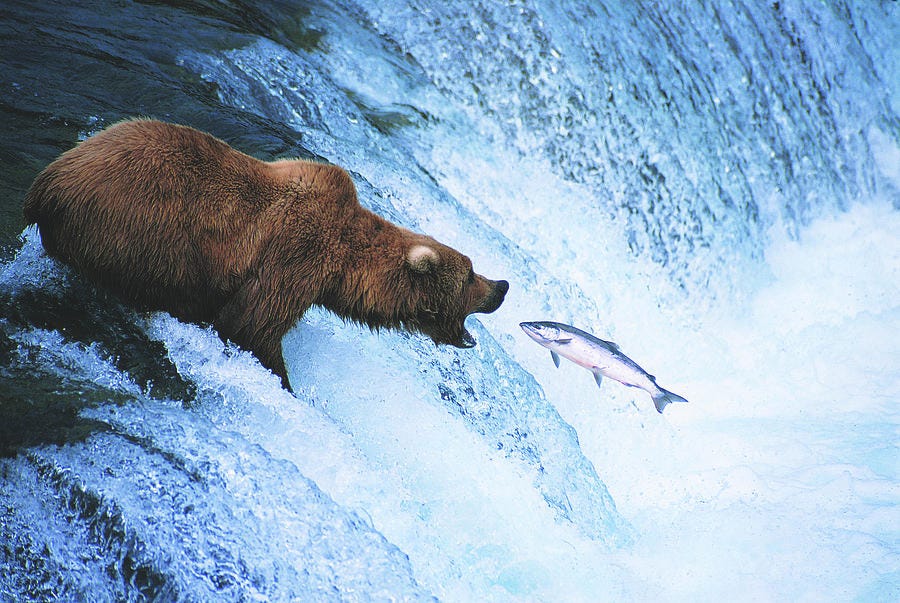
Once inbound is working, you can move into outbound.
Right now, Meta is the largest outbound platform in the world. Depending on your audience, TikTok, Pinterest, LinkedIn, X, or others may also make sense. But if you’re agnostic I’d recommend starting with Meta Ads.
If you are not sure where to begin as far as your ad creative, one of the best tools available is the Meta Ads Library.
Search for competitors in your space, especially the same companies already ranking highly on Google, or other brands you know are doing meaningful volume.
Then look for the longest running ads.
The reason to look for the longest running ads is simple: Ads that have been running for a long time are usually profitable. They are battle tested. If they were not working, they would have been turned off.
New ads, even from top brands, are often exploratory. Long running ads are proven.
If you take inspiration from the top two or three longest running Meta ads from your top two or three competitors, you give yourself a major head start. You are effectively benefiting from the testing and learning those brands have already paid for.

Run Ads Like a Scientist
One of the most common mistakes I see advertising novices make is messing with their campaigns too much. They are so eager for results, that they feel compelled to change ad parameters constantly, or turn them off too soon, or not know when to declare victory and when to admit defeat and try something different. They let emotions be their guide rather than anything resembling the scientific method.
Take emotion out of the process. Follow the scientific method.
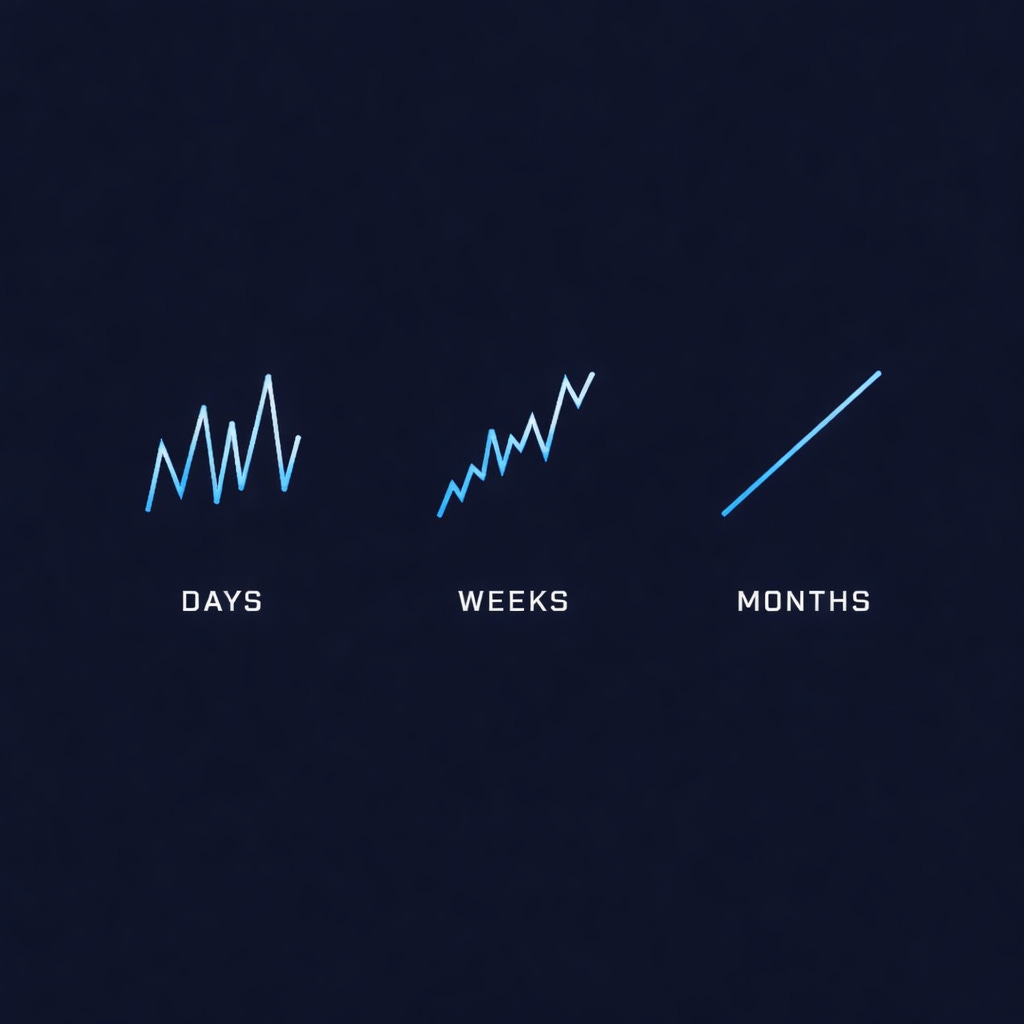
Commit to spending $X per week for 12 weeks, no matter what. This gives you enough time and data to test systematically instead of reacting emotionally to short term noise.
Start with what you believe is the best possible combination of:
Messaging
Visuals
Landing page
Targeting
Placements
Then test one new variable per week, keeping only the winners from the previous week.
Think of it like a March Madness bracket. Losers get cut. Winners advance.
The structure should be scientific. But the creative should be artistic.

Create Ads Like an Artist
Just as your testing framework should be rigid, your creative process should be fluid. Don’t worry too much about making it systematic. Follow your intuition, and imagine what would persuade you if you were in the customer’s shoes.
Feel free to test whatever you like. That said, there are some helpful prompts to follow to get you going creatively.
Try:
Questions
Statements
Quotes
Exclamations
Try:
Video
Text overlays
Carousels
Static images
Apply all six of Cialdini’s Principles of Persuasion.
Try ads that resemble the best competitors in your space.
Try ads that look like nothing else in your category.
Aim to outdo yourself each week.
As long as your brand messaging and aesthetic stay unified, this combination of creative experimentation inside a disciplined process tends to produce better results over time, typically three months is a solid benchmark to assess your progress.
By then, you are usually well on your way to ROAS positivity, unless there is a deeper issue with product market fit.
The Hidden Benefit: Fast Truth
Let’s consider the worst case scenario for a moment…
You try this system. You commit to 12 weeks of iterative ad testing. You experiment with different creative angles, persuasion angles, targeting angles, and you still don’t see the results you’d hoped for. Your business hasn’t achieved product-market fit.
Even in this case, where product market fit is the issue, this process reveals it faster than almost anything else.
By putting your product in front of a statistically significant number of real people and watching how they behave, you learn the truth quickly.
At that point, you can pivot or persevere.
And with all the data gleaned from your advertising learnings, you’ll have a good sense of which way to pivot, or how best to persevere.
Either way, you are better off.
The Best Ads
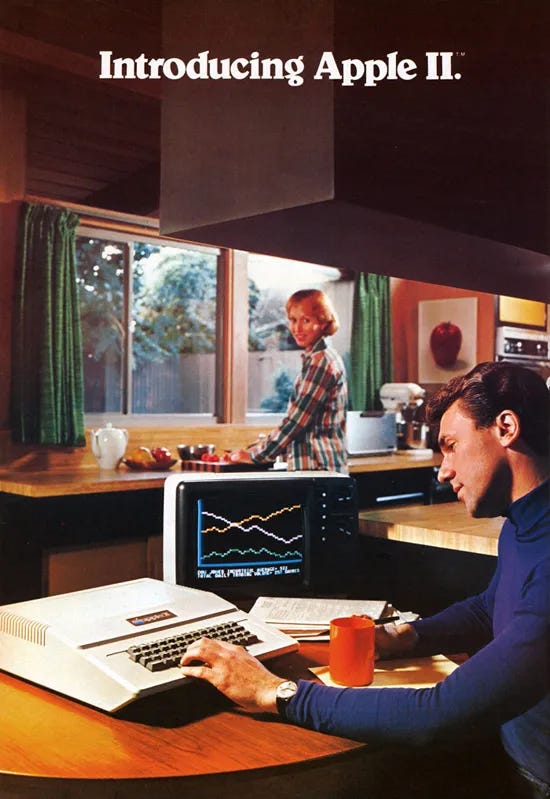
The best ads accentuate what is already real.
They start with a truth that already exists in the world and tell it in the most compelling way possible.
The job of advertising is not to fabricate desire or manufacture belief. It is to recognize what is already resonating and bring that story into sharper focus.
Great ads do not sell the product itself.
They sell what life looks like after using it.
More confidence. Less friction. A better version of the customer.
The product or service is simply the vehicle.
This is why ads work best when built on top of organic momentum. The story has already been validated. The transformation is already happening. Paid media helps that truth travel farther and faster.
As they say in copywriting circles: “Facts tell. Stories sell.”
Find what is already true.
Tell the best story about it.
Then scale it.
And when one of your ad campaigns reaches that sweet spot, let it run.