


Steve Jobs implored us to “Think different.” Top AI developers are now teaching us a new lesson: “Think bigger.” In order to use AI well, you must first set an ambitious goal.

The reason for this is that AI, particularly the newer frontier models, do a far better job when they know the end mission, your actual objective, and can then decide on the most effective means of getting there themselves.
Set a B.H.A.G.

From school I remember this acronym called a B.H.A.G., a Big Hairy Audacious Goal. The idea is akin to the saying: If you shoot for the moon, even if you miss, you end up in the stars. That is particularly vital when it comes to building with AI.
So instead of prompting, “Let’s improve this section, the logo looks a bit off, move it up slightly,” and other little marginal refinements like that, you should start off with the end in mind. Prompt something more like this:
“Make this website world class. Rethink from first principles how to make this site worthy of a design, animation, and copywriting award. It should follow all best practices while also having unique elements that no other site has, so it truly wows every visitor, and converts at a high rate.”
This can also be thought of as reverse engineering success.
Abide by “The Golden Circle”
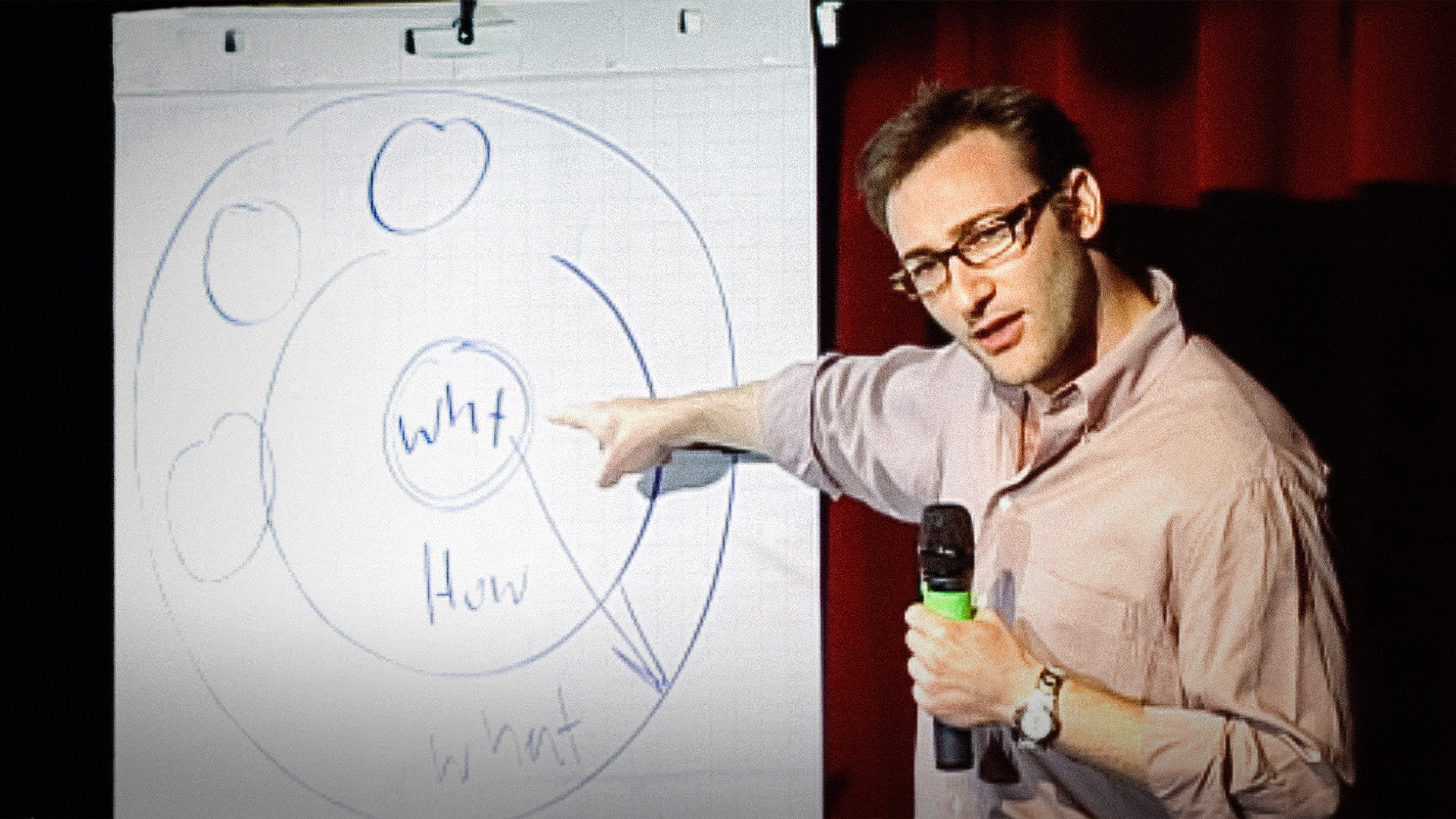
In a famous TED Talk, Simon Sinek describes “The Golden Circle.” In short, the idea is that in order to be persuasive, you must start with WHY. Don’t start by talking about WHAT product or service you offer, or HOW you build it. Start with WHY you do it.
Directing AI successfully relies on the same principle. Don’t start by telling your AI agent WHAT you want it to do for you, or HOW to do it. Start by telling it WHY. The core mission. The end goal. The purpose of WHY you’re undergoing this effort at all.
The result you’ll get will be far better. And it is always easier to fill in the HOW and the WHAT down the road, once the WHY is set. Doing the reverse gets you technical debt.
Give it room to astound you
Even top AI developers get this wrong sometimes.
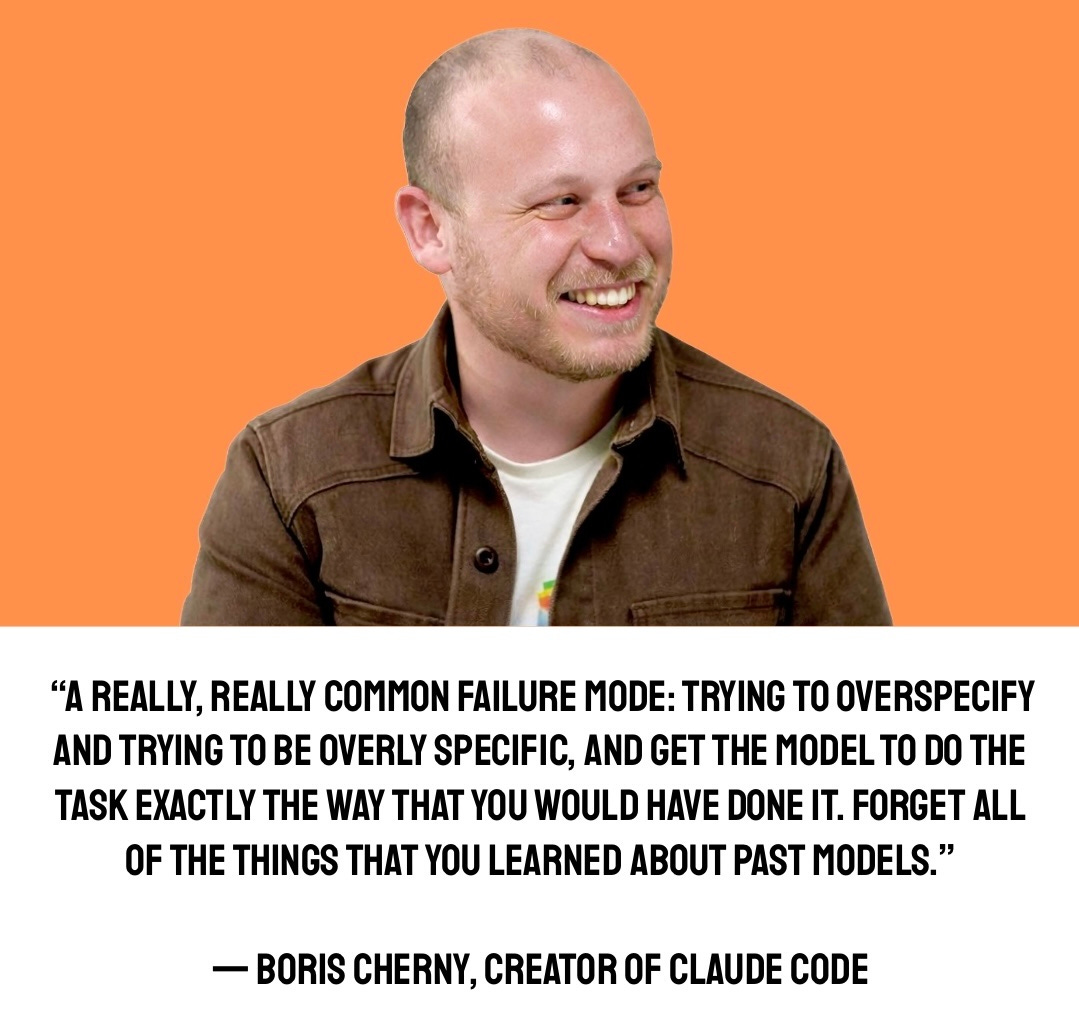
Boris Cherny, the creator of Claude Code, has said that the biggest mistake he often makes in building with AI is getting stuck with what the AI model used to be capable of, since newer models are always coming with greater capabilities than before.
Do not limit your mindset regarding the realm of possibilities. Rather than speaking to your AI like it is an intern that needs to be handheld, speak to your AI like it is a world class director. You wouldn’t tell Werner Herzog how to make a film. Though you might tell him a cool idea you have for a film, and why it matters to you and the world. Then you would give him free rein to create that film in accordance with his expertise.
Boris Cherny has also observed, replying to Andrej Karpathy on X, that people who are new to AI are often among the most capable at directing it, because they don’t know what it can’t do yet. In other words, they do not have the curse of knowledge. And because of that, they are free to tell it exactly what they want the AI to build, without any preconceived notions of its limitations. Or, in the words often attributed to Mark Twain, “It ain’t what you don’t know that gets you into trouble. It’s what you know for sure that just ain’t so.“
This is the worst AI will ever be
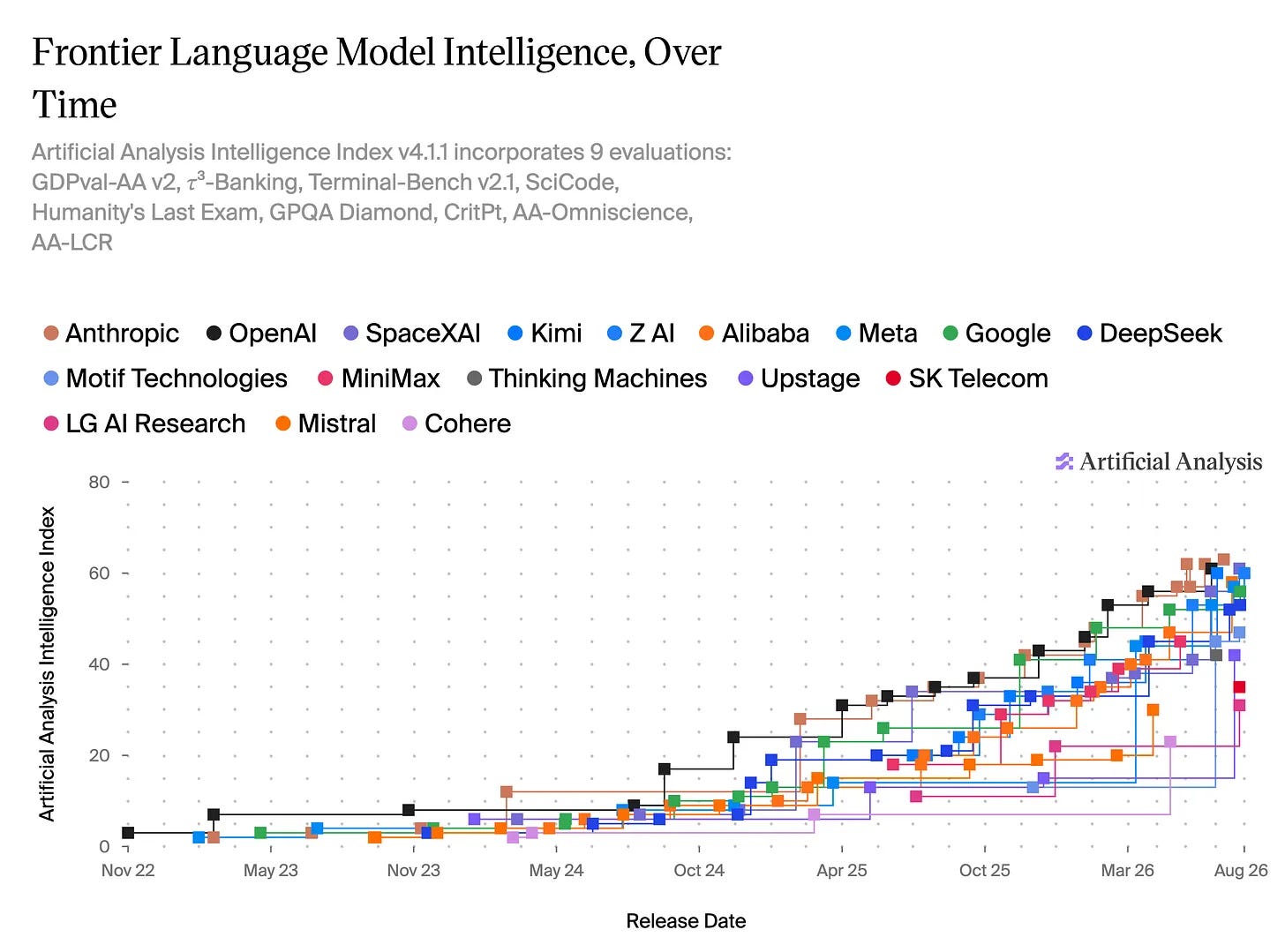
It’s true that as of this writing, AI is limited. It can’t do everything yet. And there are still some things that are far better done by a human than an AI, even when it comes to things like web development, design, and copywriting. But it will get better and better over time. This is the worst AI has ever been, right now.
So get into the mindset of thinking big, of telling the AI the end goal you have in mind, of having the highest standards possible and refusing to lower them, while encouraging the AI to achieve that world class quality that used to cost millions of dollars and dozens of employees years to build.
This will give you a major leg up during the next decade of AI adoption.
If you want help with this

Recently I’ve begun teaching friends, family, and colleagues how to optimally build with AI. Websites, mobile apps, automations, anything that can be done with code.
This ranges from me walking you through exactly what to do so you can handle it all on your own, from your own terminal on your laptop, to doing the entire thing for you if you prefer a more direct path.
Either way works for me. Book an intro call with me here: noblegrowth.co/contact
In the paid version of this Substack article below, known as The Control Room, I’ll walk you through a real example of a website I recently built using AI.
The Control Room
Welcome to The Control Room. This is where I show you exactly how a recent build came together: the real project, the real prompts, and the real numbers.
The project: darling.la
Darling is Sean Brock’s first restaurant on the West Coast. If you’ve seen his episode of Chef’s Table on Netflix, you know the level he operates at: live-fire Southern cooking paired with an all-vinyl hi-fi lounge in West Hollywood. The LA Times, Eater, and Forbes all raved about the restaurant when it opened.
The website did not match the room. It was a template site that opened on a brunch promo. The menus were PDFs that neither Google nor AI assistants could read. There was no analytics of any kind installed, so nobody could say what was driving reservations. And the mobile experience took over ten seconds to show its most important content, for a restaurant where nearly every diner decides on their phone.
Here is exactly how I briefed the AI to get this result…